
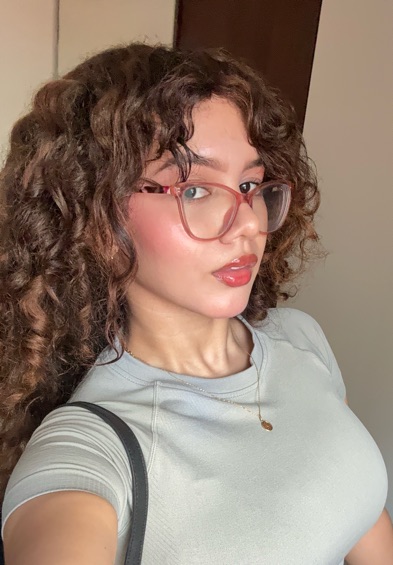
 ● online
Text first · 1-on-1 · camera off
Talk to girls online, starting with one message
Pick a girl who is online, read what she wrote about herself, and send her a line. No room full of strangers, no camera, no countdown — just a conversation that can turn into a voice or video call later, if you both want it to.
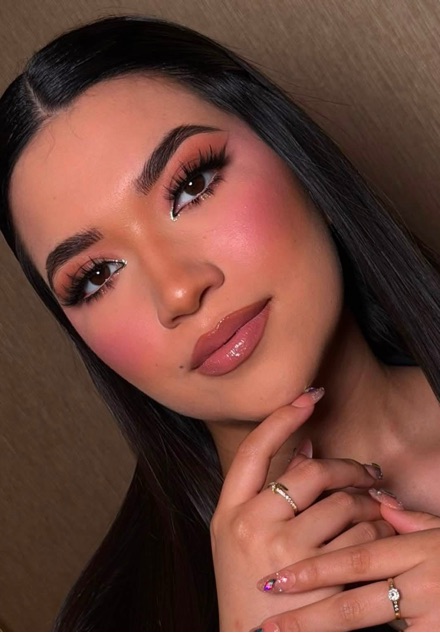



- Online now · profiles first
Sarah online · Bolivia · English
Illustration. What you write is up to you; voice and video stay off until you tap them.
Why "talk" usually means "type" first
People who search for a way to talk to girls online are rarely asking for a video call. They want to find out whether there is a conversation there at all. A camera skips that step.
We saw it in our own first week, too: roughly one in seven people who signed up ended up on a video call.
- 01
You want to know if there is anything to say
A camera answers "what does she look like" in one second and "do we get along" not at all. Text answers the second question first.
- 02
You are not in a place to be seen
On a bus, in bed, on a lunch break with people around. Typing works in all of those. A video call works in almost none.
- 03
Your English — or her English — needs a second
Written messages give both people time to read twice, look a word up and answer properly. That matters more than people admit.
- 04
You would rather be interesting than fast
The first thirty seconds of a video call reward confidence. A first message rewards having actually read her profile.
Choose her by what she wrote
Profiles show a country and the languages she speaks, and most have a short bio. That is what the first message is made of.
● online● online● online● online● online ● online
Country and language come from each girl's own profile. Who is online changes minute to minute.
From one message to a real conversation
Four steps, and you can stop at any of them.
Open the list
Girls who are online right now, each with a country, the languages she speaks and, usually, a short bio.
Send one line
To one person. About something on her profile. No camera, no microphone, nothing switches on.
Voice, if it goes somewhere
Same conversation, one tap. Still no camera.
Video, if you both want it
A private 1-on-1 call is there when the chat has earned it. Plenty of good conversations never get that far, and that is fine.
Find someone to message Free to look around · works in your phone browser
Girls chat rooms vs. a one-to-one chat
Public rooms are where most people start, and where most people give up. The problem is not the girls. It is the room.
A public chat roomOne-to-one on Omego
Everyone in the room reads everything Two people, nobody else
One girl, forty people typing "hi" Your message is the only one in that thread
You never know who is actually a girl You pick from profiles before you write
It stops at text Text can become voice, then video
What gets a reply, and what doesn't
None of this is a trick. It is what reading forty first messages in a row does to anyone.
Mention something she wrote
Proof you read her profile, which is rarer than it should be.
Ask a question she can answer in a sentence
"Which city?" beats "tell me about yourself".
Use her language if you have any
Even a clumsy "hola" lands better than perfect English.
Comment on looks in the first line
Reads as "I saw a photo and skipped the rest".
Ask for video straight away
It turns the conversation into one yes-or-no question.
Send the same opener to five people
It shows. Short, specific and to one person wins.
The long version, with examples, is in What to Say First. And if you want to keep it to text for a while, read Chatting With Your Camera Off.
You can end it at any point
A chat with someone new should be easy to leave, and you should know what things cost before you pay for any of them.
- Block — that person can't reach you again.
- Report — a form in the app, with a reason and a screenshot if you have one.
- Leave — one tap, no exit survey.
- Cost shown first — messages and calls can use credits, and the price is on screen before you spend any.
Questions about chatting with girls on Omego
Are there girls chat rooms on Omego?
No. There are no public rooms. Every conversation is between two people, so nobody else reads what you write and your message is not buried under everyone else's.
How do I get a reply?
Keep the first message short, about something on her profile, and end it with an easy question someone can answer in one sentence.
What if she doesn't reply?
Leave it. She may already be in another conversation. Sending "hello?" a few minutes later ends more chats than silence does — come back later or message someone else.
Can I chat with girls in Spanish or another language?
Yes. Profiles list languages, and you can browse girls by language — English, Spanish, Portuguese, Russian, Arabic, Turkish and more — then write in whichever one you share.
Does messaging cost credits?
It can. The price is on screen before you send anything paid.
Can I block or report someone?
Yes. You can mute, block or report someone you are talking to, and leave at any moment.
Looking for the video side? That is on the Omego home page.
Someone on the list is awake right now
Read one profile. Write one line. See where it goes.
See who's online